How to Find Free RV Campgrounds
- RV Lifestyle
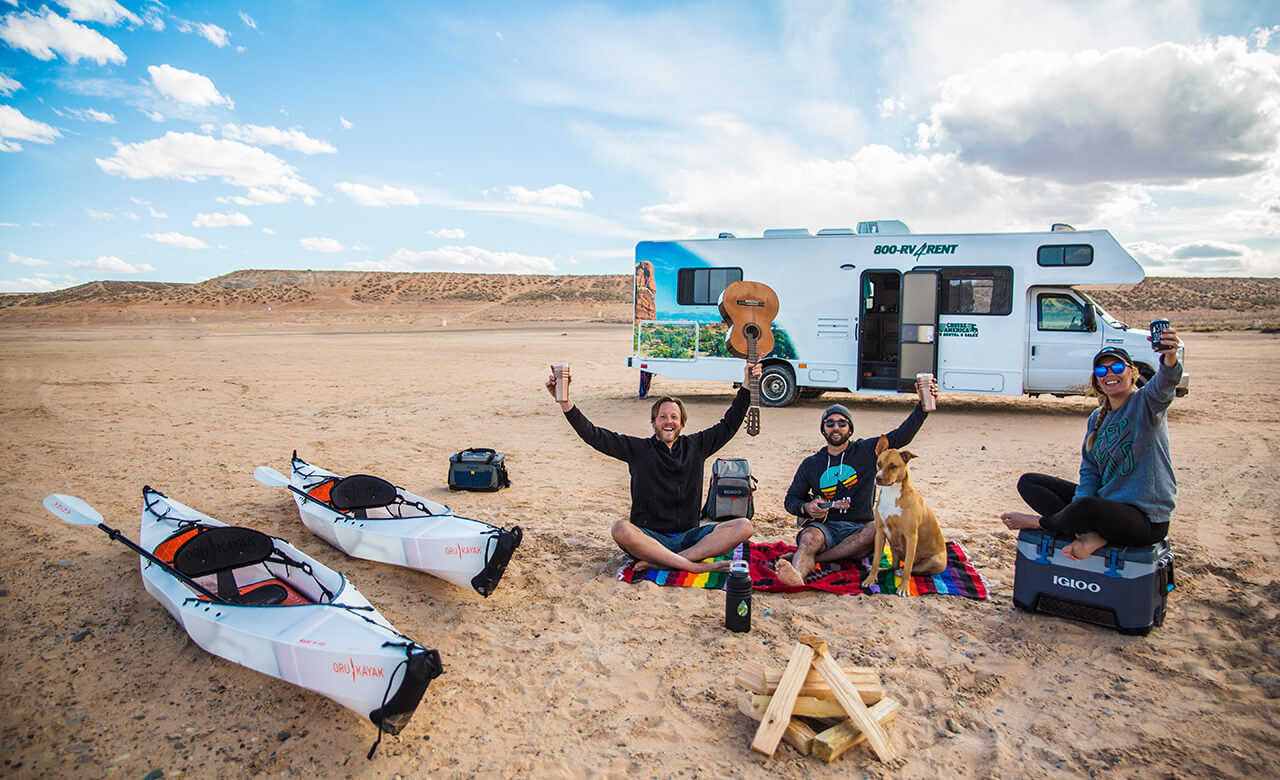
Free campgrounds are exactly what they sound like: places where you can legally park your RV and camp overnight without paying a nightly fee. These free camping spots are typically found on public lands rather than in traditional RV parks or established campgrounds, making them a popular option for budget-conscious travelers and adventure-seekers alike.
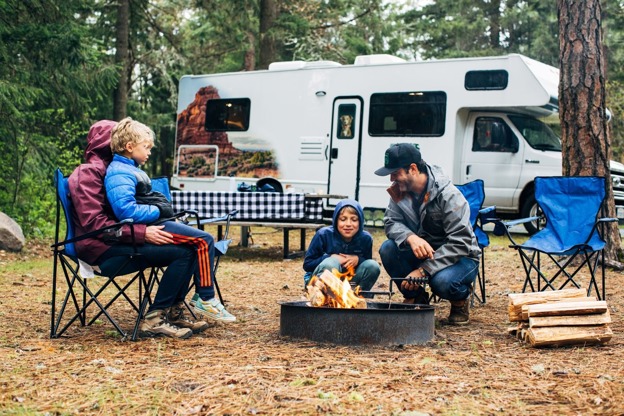
Unlike developed campgrounds, free campgrounds usually don’t include amenities like electrical hookups, dump stations, or garbage cans. Most fall into the category of dry camping or primitive camping, where you’re expected to be self-contained and prepared. That said, many free camping areas still offer simple perks like picnic tables, and fire rings, especially in national forests, wildlife management areas, and other federally managed lands.
For RV camping travelers, the biggest appeal of free campgrounds is flexibility. You’re not locked into reservations, strict check-in times, or premium prices during peak travel seasons. This makes free campsites especially appealing for spontaneous trips, longer road journeys, or travelers who want to stretch their budget across multiple destinations — including nearby national parks or state parks where camping or admission fees can add up quickly.
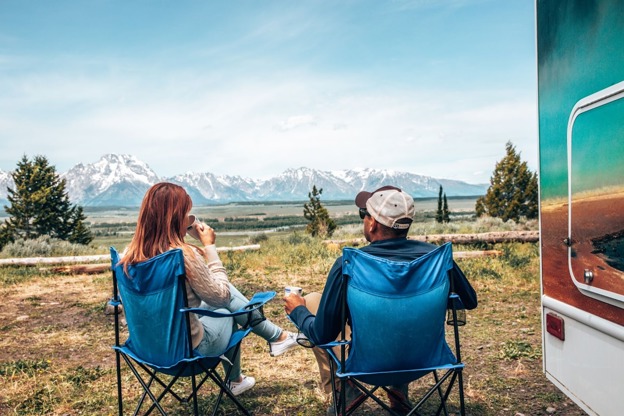
Free campgrounds are also a great option for RVers who enjoy quiet, natural places over crowded visitor areas. Many free camping areas are tucked along forest roads, near scenic overlooks, or deep within public lands where wildlife sightings and star-filled skies are part of the experience. For those who value solitude, space, and immersion in nature, free camping offers something paid campgrounds often can’t.
That said, free campgrounds aren’t for everyone. They’re best suited for travelers who are comfortable managing their own water supply, monitoring cell service, and planning ahead for essentials like potable water and trash disposal. But for RVers who come prepared, free camping can turn an ordinary trip into a more memorable, self-guided adventure — and free up more budget for the journey ahead.
How to Find Free Camping Using Apps, Maps, and Online Tools
Once you understand where free camping is generally allowed, the next step is knowing how to actually locate those spots. Thankfully, there are several reliable tools that make it much easier to find free camping and verify whether an area is suitable for RV camping, tent camping, or car camping.
Best Apps and Websites for Finding Free Campgrounds
These tools are widely used by RV travelers and are considered a great resource for locating free campsites and dispersed camping areas:
-
Campendium
-
One of the most popular apps for RV camping, Campendium highlights free campgrounds, paid campgrounds, cell signal strength, road access, and user reviews. It’s especially helpful for finding free dispersed camping on BLM land and national forests.
-
A community-driven website where campers share GPS coordinates, access notes, and photos of free camping spots, including free overnight parking and primitive camping locations.
-
OnX Offroad App
-
Extremely useful for checking land boundaries and confirming whether you’re on public or private land. This helps prevent accidentally camping on private property.
-
Google Maps + Offline Maps
-
Satellite view can help identify forest roads, pull-offs, picnic areas, and potential dispersed campsites. Download offline maps before heading into areas with limited cell service.
-
BLM & Forest Service Websites
-
Official government resources provide up-to-date rules for Bureau of Land Management land, national forests, and other federal land where dispersed camping is generally allowed.
How to Verify a Free Campsite Is Legal
Before setting up camp, take a few extra steps to ensure the site is permitted:
-
Confirm the land is public land, not private property
-
Check posted signage for camping restrictions or seasonal closures
-
Review local Forest Service or BLM guidelines for stay limits
-
Use apps that show public or private land overlays
-
Avoid parking in restricted areas, parking lots, or emergency access roads
Paid Apps vs. Free Tools: What’s Worth It?
While many tools are free, some paid apps offer added benefits:
-
More detailed land ownership data
-
Offline map access
-
Better GPS accuracy in remote areas
For frequent RV travelers, a paid app can be worth the extra cost — especially when planning a longer camping trip or venturing into less-developed camping areas.
Using a combination of these tools gives you the best chance to confidently find free dispersed campsites while avoiding common mistakes that can cut a trip short.
Boondocking Etiquette, Safety, and Leave No Trace Tips
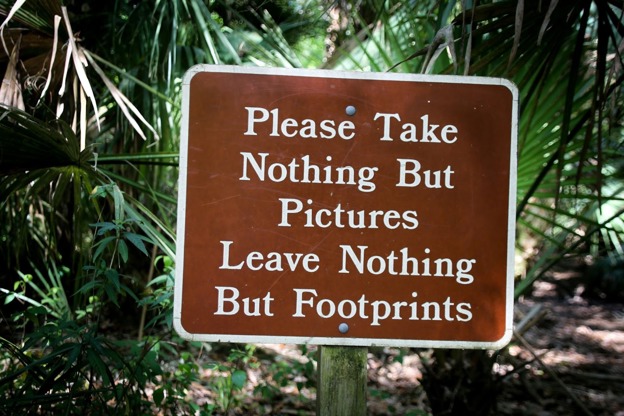
Finding free campgrounds is only half the equation — using them responsibly ensures these free camping areas remain open and accessible for future travelers. Whether you’re dry camping on BLM land, forest service land, or other public lands, following proper etiquette and safety practices is essential.
Boondocking Etiquette: Do Your Part
When staying at free dispersed campsites, there are usually no park employees, garbage cans, or amenities. That means campers are fully responsible for minimizing impact.
Best practices to follow:
-
Pack out everything you bring in, including trash and food scraps
-
Camp only in previously used sites to avoid damaging natural places
-
Respect stay limits (often 14 days on federal land)
-
Keep noise levels low and respect other campers’ space
-
Avoid driving off established forest roads or creating new campsites
-
Use existing fire rings only where fires are generally allowed
Leave No Trace Essentials
Practicing Leave No Trace helps protect public lands and keeps free dispersed camping an option long-term.
-
Dispose of waste properly — never leave garbage or food behind
-
Avoid damaging vegetation or natural resources
-
Keep pets under control at all times
-
Use biodegradable soap and stay away from water sources
-
Never dump gray or black water on the ground
Safety Tips for Free Camping
Camping away from developed campgrounds means being more self-reliant. Planning ahead keeps your RV camping experience safe and stress-free.
Important safety considerations:
-
Check weather forecasts and road conditions before arriving
-
Download offline maps in case cell signal is unavailable
-
Carry enough potable water and fuel for your stay
-
Be aware of wildlife — store food securely and consider bear spray in certain regions
-
Keep a first-aid kit and emergency supplies on hand
-
Trust your instincts — if a site doesn’t feel right, move on
Know When Free Camping Isn’t the Best Option
In some cases, paid campgrounds or established campgrounds may be the better choice:
-
Severe weather conditions
-
Areas with limited access or safety concerns
-
When you need electrical hookups, dump stations, or reliable cell service
Responsible boondocking creates a win-win: travelers enjoy incredible free camping spots, and public lands remain protected for future adventures.
Examples of Free RV Campgrounds Across the U.S.
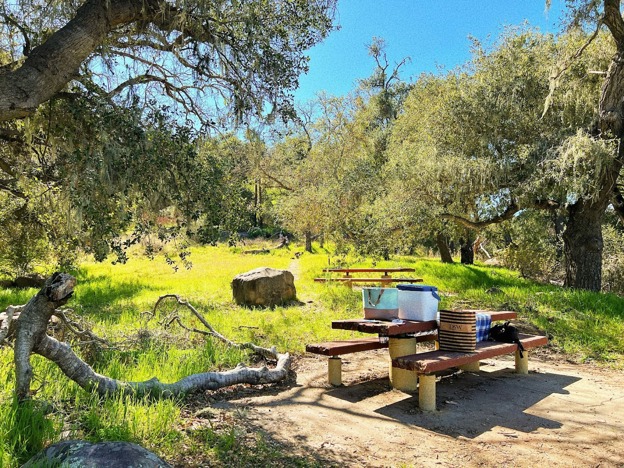
To make finding free campgrounds more practical, here are real-world examples of free RV campgrounds areas across different regions. Availability can change, so always verify current rules with local land managers before you arrive.
Western U.S. (Best for Free Dispersed Camping)
The western states offer the highest concentration of free dispersed campsites, especially on BLM land and national forests.
-
Arizona
One of the most popular winter RV camping destinations. Large areas allow long-term free camping with easy access for RVs.
Best for: Snowbirds, dry camping, extended stays -
Utah
Numerous dispersed camping areas outside town offer incredible red rock scenery.
Best for: Scenic boondocking, outdoor adventures -
California
Iconic landscapes with designated free dispersed campsites and epic mountain views.
Best for: Photography, hiking, off-grid RV camping
Rocky Mountains & Southwest
-
Colorado
Many forest roads allow free dispersed camping, often with cooler summer temperatures.
Best for: Car camping, RV camping, mountain scenery -
New Mexico
Quiet, open land with beautiful night skies.
Best for: Peaceful dry camping and cultural exploration
Midwest & Great Plains
Free camping is more limited but still possible with research.
-
Kansas
Some wildlife management areas allow primitive camping at no cost.
Best for: Overnight stops, tent camping, short stays -
Nebraska
Wide open prairie land provides opportunities for spacious campings and privacy
Best for: Stops between the West and East travel
Eastern U.S. (More Restrictions, Fewer Options)
The East has fewer free campsites, but options still exist.
-
National Forests in West Virginia & Virginia
Small pockets of dispersed campsites along forest roads.
Best for: Short stays, nature-focused trips -
City Parks in Rural Towns
Some towns allow free overnight parking for RV travelers.
Best for: Passing through, quick rest stops
Overnight Parking Alternatives
When traditional free camping spots aren’t available:
-
Select city parks with posted overnight allowances
-
Certain parking lots (with permission)
-
Programs like Harvest Hosts (not free, but low-cost alternatives)
Important Reminder
Rules vary widely by location:
-
Always confirm whether land is public or private land
-
Check posted signs and local regulations
-
Respect stay limits and land boundaries
These examples show that with planning and flexibility, finding free RV campgrounds is absolutely possible across the country — especially when you combine smart tools, awareness of public lands, and responsible camping practices.
Final Tips for Finding Free RV Campgrounds (Start Planning Smarter)
Finding free campgrounds takes a bit more preparation than booking a traditional RV park, but the payoff is worth it. Before you head out on your next trip, keep these final tips in mind to make your experience smoother, safer, and more enjoyable.
Quick Checklist Before You Go
-
Confirm land status: Always verify whether you’re on public or private land and double-check land boundaries.
-
Download offline maps: Cell signal can be unreliable. Save GPS coordinates and offline maps in advance.
-
Arrive during daylight: It’s easier to assess road conditions, parking space, and surroundings.
-
Check local rules: Some areas require a free permit or limit how long you can stay.
-
Pack for dry camping: Most free dispersed camping areas won’t have potable water, dump stations, or electrical hookups.
Boondocking Etiquette & Safety
-
Practice Leave No Trace—pack out all trash and leave campsites better than you found them.
-
Keep a safe distance from other campers and respect quiet hours.
-
Use existing fire rings only where fires are allowed.
-
Be wildlife-aware; store food properly and carry essentials like bear spray where recommended.
When Free Isn’t the Best Option
Sometimes, mixing in paid campgrounds makes sense—especially to dump tanks, refill water, or recharge batteries. Combining free camping with occasional developed campgrounds creates a balanced, budget-friendly RV trip.
Ready for Your Next Adventure?
Free camping opens up incredible natural places across the U.S., and an RV makes it all possible. When you’re ready to hit the road, Cruise America gives you the freedom to explore more, stay flexible, and travel comfortably—whether you’re boondocking on BLM land or pulling into a national forest campsite.
Start planning your next trip and reserve your Cruise America RV today!