The Best Destination Dupes to Avoid Crowds
- RV Destinations
- get inspired
Some of the world's most iconic destinations have become victims of their own fame. The Amalfi Coast, the French Riviera, Machu Picchu, places that once felt like discoveries now come with sold-out hotels, hour-long waits, and a tourist crush that can make it hard to actually enjoy where you are.
That's why more travelers are turning to destination dupes, lesser-known alternatives that offer a similar look and feel to a bucket list spot, minus the crowds and the high price tag. A good dupe destination usually delivers on a few key things:
-
Similar landscapes, whether that's coastline, mountains, or turquoise waters
-
A comparable sense of culture, history, or local charm
-
Far fewer tourists, which means more room to actually enjoy the place
-
A more affordable price on lodging, food, and activities
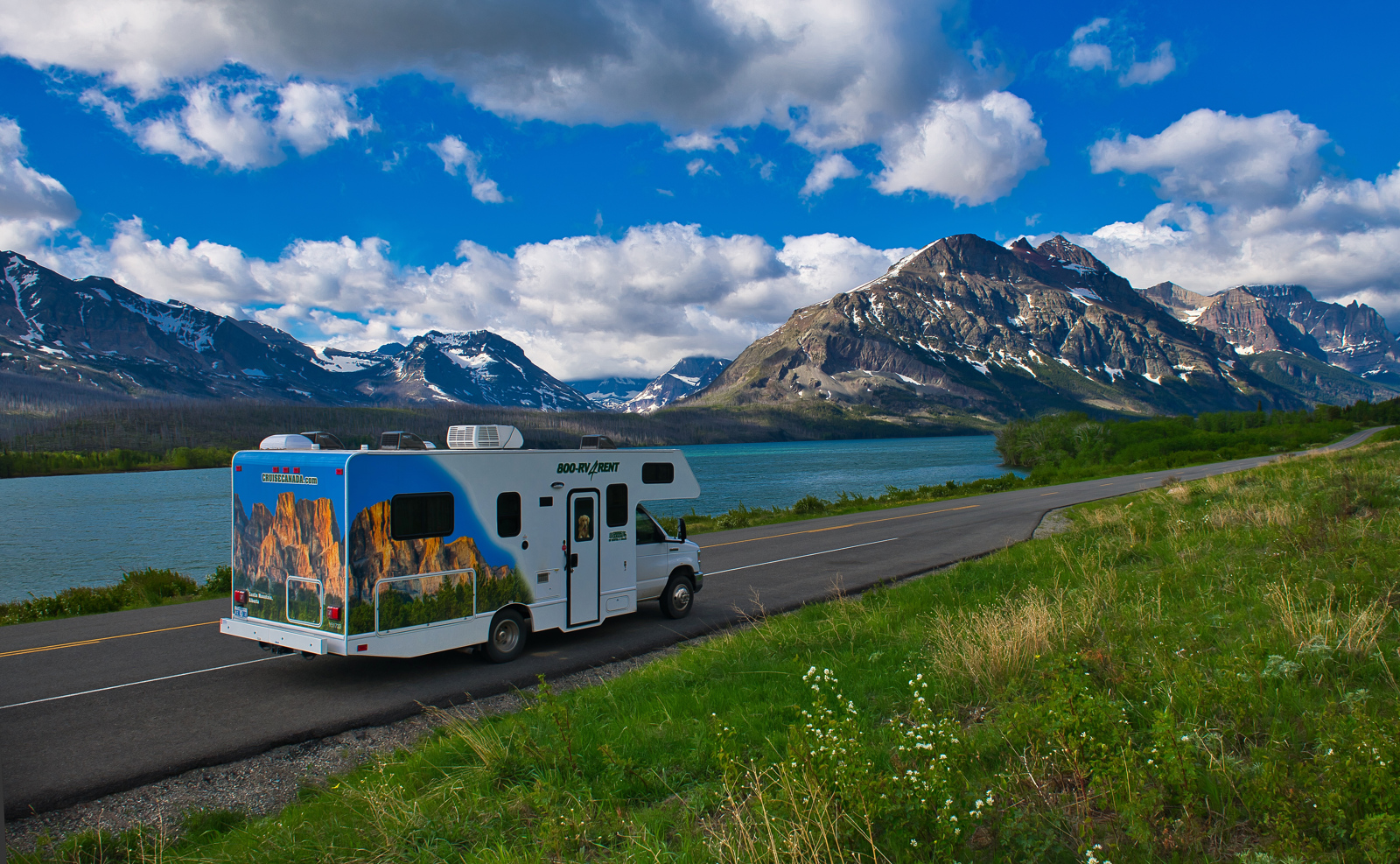
The good news is that some of the best dupe destinations for these famous spots aren't overseas at all. Many are right here in the US and Canada, often overlooked because they don't have the same marketing budget or Instagram fame as their more popular counterparts. A lot of these hidden gems also happen to be light on major airports and hotel infrastructure, which is exactly where an RV comes in.
With self-contained camping and boondocking built into the trip, an RV makes it easy to reach these alternative destinations on your own schedule. No flights, no scrambling for a hotel room, and no settling for an overcrowded version of the real thing. In this post, we'll pair some of the world's most famous bucket list spots with their under-the-radar North American dupes, and show you why an RV is the best way to get there.
What Are Destination Dupes, and Why Are Travelers Chasing Them?
A destination dupe is a lesser-known place that offers a similar experience to a famous, often overcrowded destination, without the tourist crowds or the high price tag. The term borrows from the beauty and fashion world, where a "dupe" is an affordable product that performs just as well as the pricier original. Travelers picked up the idea and applied it to their trips, and it stuck.
The appeal is simple. Rather than fighting for a hotel room or standing in line for a photo at a famous overlook, travelers get a comparable experience with:
-
Fewer crowds and more room to actually explore
-
A more affordable price across lodging, food, and activities
-
A slower pace that makes the whole trip feel more relaxed
-
The chance to discover a place before it becomes the next big thing
This shift is also a response to mass tourism itself. Many popular destinations have become so packed that the experience no longer matches the postcard version people are chasing. A dupe destination offers a way around that, delivering similar landscapes, culture, or history while skipping the parts of travel that have gotten exhausting: overbooked restaurants, packed beaches, and prices that spike the moment a place goes viral.
For US and Canadian travelers in particular, this idea opens up a lot of possibilities. Some of the country's most compelling alternative destinations sit just a few hours off the interstate, waiting to be explored by anyone willing to look past the usual bucket list.
Why RVs Are the Best Way to Reach These Alternative Destinations
Part of what makes a dupe destination special is also what makes it tricky to visit. These alternative destinations are often overlooked because they don't have a major airport nearby, or because the hotel infrastructure just hasn't caught up with how good the scenery actually is. That's great news for anyone chasing fewer crowds, but it can complicate the logistics of an ordinary trip.
This is exactly where an RV changes the equation. A few reasons it works so well for this kind of travel:
|
Challenge with Dupe Destinations |
How an RV Solves It |
|
No major airport nearby |
Drive directly, no connecting flights needed |
|
Limited hotel options |
Self-contained lodging travels with you |
|
Remote or rural roads |
Full flexibility to stop, explore, and adjust the route |
|
Few restaurants in smaller towns |
Cook on board, or explore local restaurants without needing a reservation |
Many of these destinations are built around a scenic drive to begin with, whether it's a coastal route, a mountain pass, or a string of small towns along the way. An RV turns that drive into part of the adventure instead of just a means of getting there. There is no need to book a hotel months in advance or worry about limited availability in a small town without much tourist infrastructure.
For travelers chasing that beaten path feeling, arriving somewhere in an RV also just fits the vibe. Boondocking options, public campgrounds, and RV-friendly parks are often available in exactly the kind of overlooked places where dupe destinations tend to live, giving travelers a front row seat to dramatic landscapes without needing a five-star resort to enjoy them.
Skip the Amalfi Coast, Drive the Cabot Trail Instead
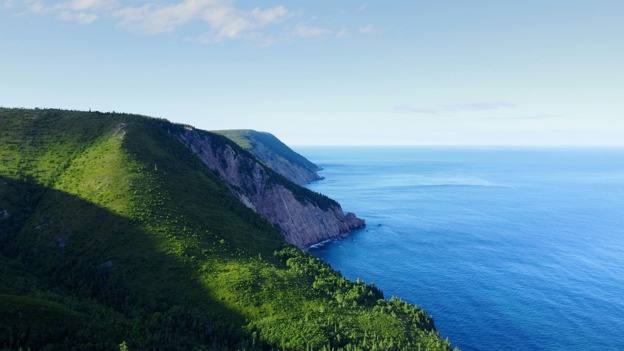
The Amalfi Coast is stunning, but it's also one of the most crowded stretches of coastline in the world. Narrow cliffside roads packed with tour buses, restaurants booked out weeks in advance, and a price tag that climbs every summer. For travelers chasing that same dramatic coastal drive without the tourist crush, Nova Scotia's Cabot Trail is one of the best dupes out there.
The Cabot Trail winds along the coast of Cape Breton Island, offering:
-
Sweeping ocean views from cliffside roads that rival anything in Italy
-
Small fishing villages with fresh seafood and friendly locals instead of packed tourist traps
-
Access to Cape Breton Highlands National Park, with hiking trails through dramatic landscapes
-
A far more affordable price on lodging and dining compared to the Amalfi Coast
What makes this dupe destination especially appealing is how few tourists know about it. While the Amalfi Coast draws visitors from around the world, the Cabot Trail remains largely a North American secret, known mostly to Canadians and a smaller circle of road trip enthusiasts. That means fewer crowds at the scenic overlooks and more room to actually take in the coastline at your own pace.
An RV is a natural fit for this kind of trip. The Cabot Trail is designed as a driving route, with pull-offs, campgrounds, and small coastal towns spaced along the way. Instead of racing between hotel bookings, travelers can stop wherever the view calls for it, whether that means an overnight at a coastal campground or an extra hour at a lookout point that most tourists never see.
Trade the French Riviera for Newport's Coastal Glamour
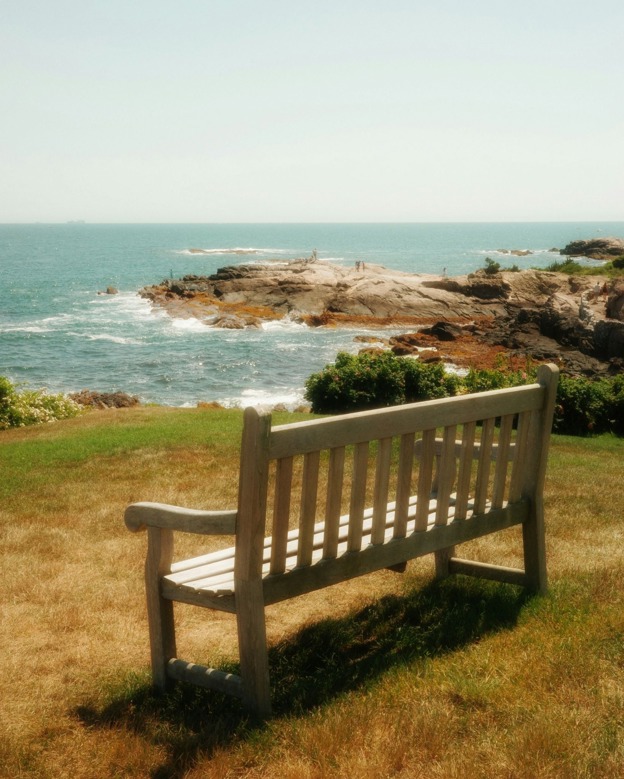
The French Riviera has long been the destination for coastal glamour, but that reputation comes with a steep cost. Nice, Cannes, and Monaco are packed with visitors most of the year, and a night in a decent hotel can rival the price of an entire trip elsewhere. Newport, Rhode Island offers a strikingly similar kind of elegance without the overseas flight or the inflated price tag.
Newport built its reputation during the Gilded Age, when some of the wealthiest families in the country built oceanfront mansions along its coastline. Today, travelers can find:
-
Grand historic mansions open for tours, echoing the same old money glamour as the French Riviera
-
A serious sailing culture, with harbors full of boats and a coastline made for scenic drives
-
Rocky cliffside walks along the famous Cliff Walk, with ocean views in every direction
-
Local restaurants serving fresh seafood at a far more affordable price than the French coast
Newport also carries a similar sense of rich history and old-world charm, just with a distinctly American twist. Cobblestone streets in the historic downtown area add to that European feel, giving travelers a taste of the French Riviera's atmosphere without ever needing a passport.
For RV travelers, Newport and the surrounding Rhode Island coastline are easy to explore at a relaxed pace. Coastal campgrounds nearby put travelers close to the water without the cost of a beachfront hotel, and the compact size of the area means it's easy to spend a few days exploring mansions, harbors, and beaches without constantly repacking the vehicle.
A Costa Rica Dupe Without Leaving the Country: Hawaii's Big Island
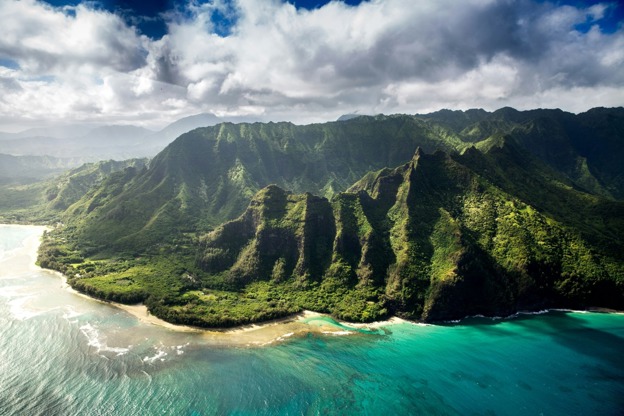
Costa Rica has built an entire tourism industry around its mix of volcanoes, rainforest, and beaches, and it deserves the attention. But that popularity means higher prices, busier trails, and a growing tourist crush in some of its most famous spots. Hawaii's Big Island offers that same variety of dramatic landscapes without needing an international flight.
The Big Island packs an unusual amount of range into one place, including:
-
Active volcanoes at Hawaii Volcanoes National Park, similar to Costa Rica's volcanic peaks
-
Lush rainforest trails on the island's windward side
-
Black sand beaches and clear blue waters along the coast
-
Waterfalls and jungle hikes that rival anything found in Central America
What makes the Big Island such a strong travel dupe is how underrated it is compared to Maui or Oahu, let alone Costa Rica. Many travelers overlook it in favor of more famous islands, which means fewer tourists at many of its natural attractions, even during peak travel months.
The island's local culture also adds to the experience, with small towns, farmers' markets, and family-run restaurants offering a slower pace than the more commercialized areas of Costa Rica. Visitors can explore coffee farms, botanical gardens, and small fishing towns that still feel like a genuine discovery rather than a packaged tour stop.
For RV travelers, the Big Island does require a slightly different approach since it's an island destination, but many visitors rent RVs locally to explore at their own pace, camping near beaches or volcanic parks instead of booking pricey resort stays. It's a reminder that some of the best dupe destinations require just a little more creativity to reach, and reward travelers with an experience that feels far less crowded than the original.
North America's Own Albanian Riviera: The Apostle Islands
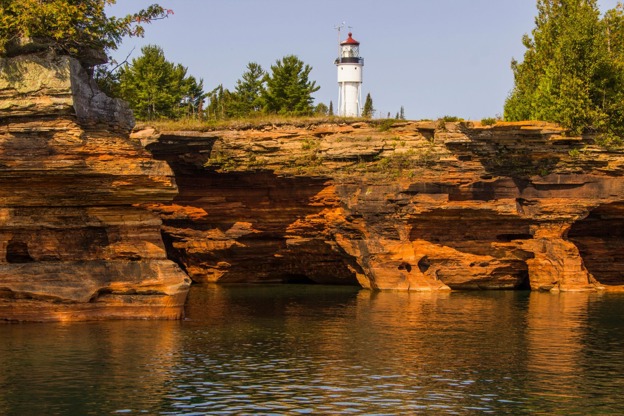
The Albanian Riviera has become one of Europe's favorite up-and-coming coastlines, known for its turquoise waters, small islands, and a price tag that undercuts the nearby Greek Islands. But travelers don't have to cross the Atlantic to find that same undiscovered coastline feeling. Wisconsin's Apostle Islands, tucked along the shores of Lake Superior, offer a strikingly similar appeal.
The Apostle Islands may not have the Mediterranean sun, but they deliver plenty of their own dramatic landscapes, including:
-
Sea caves carved into sandstone cliffs, best explored by kayak or boat tour
-
Clear blue waters that rival the color of the Albanian coast in the summer months
-
Small islands dotted with historic lighthouses and quiet hiking trails
-
A laid-back, small-town atmosphere in gateway towns like Bayfield
Much like the Albanian Riviera before it became a bigger name in European travel, the Apostle Islands remain relatively unknown outside of the Midwest. That means fewer tourists, more room to explore the sea caves at your own pace, and a noticeably more affordable price on lodging and local restaurants compared to a Mediterranean coastal trip.
The surrounding area also supports local economies built around small-scale tourism rather than mass tourism, with family-owned shops, local guides, and a slower pace that fits the mood of the islands themselves. It's the kind of place where a day trip can easily turn into a multi-day stay once travelers realize how much there is to explore.
For RV travelers, the Bayfield area offers easy access to campgrounds along the lake, putting the water views within reach without needing a resort budget. Between the sea caves, the lighthouses, and the quiet island hopping, it's a dupe destination that delivers the same sense of discovery as a lesser-known coastline abroad.
Mesa Verde: The Machu Picchu Dupe Hiding in Plain Sight
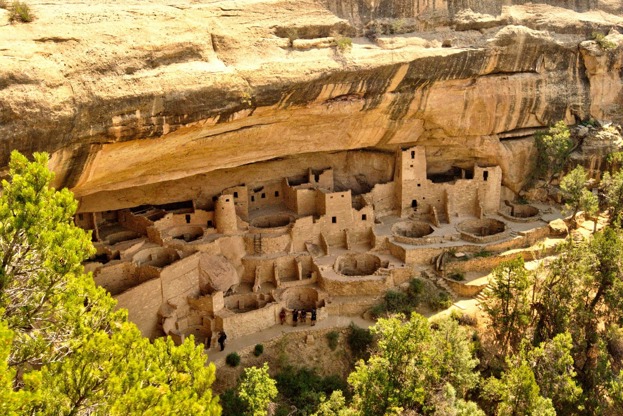
Machu Picchu remains one of the most sought-after destinations on any serious travel bucket list, and for good reason. The ancient citadel's mountaintop setting carries a spiritual energy that's hard to replicate. But getting there now means booking permits months in advance, navigating a tourist crush at popular viewpoints, and often a multi-day trek at high altitude. Colorado's Mesa Verde National Park offers a comparable sense of awe, minus the crowds and the climb.
Mesa Verde is home to some of the best-preserved cliff dwellings in North America, built by the Ancestral Puebloans centuries ago. Visitors can expect to find:
-
Multi-story stone dwellings built directly into cliff faces, similar in scale and mystery to Machu Picchu's terraces
-
A rich history spanning hundreds of years of Ancestral Puebloan life
-
Guided tours that let visitors walk through the dwellings up close, rather than viewing them from a distance
-
Sweeping views across canyon country that rival the Andes in their own dramatic landscapes
Unlike Machu Picchu, there is no need to arrange permits far in advance or commit to a demanding trek at high elevation. Mesa Verde is accessible by car, with most of the major sites reachable on a well-maintained park road. That accessibility, combined with its lower profile compared to Peru's most famous ruin, means far fewer tourists at most times of year.
The surrounding Four Corners region also carries its own deep history and local culture, with nearby towns offering a chance to learn more about Puebloan heritage and enjoy a slower, more reflective visit than the crowded trails leading up to Machu Picchu.
For RV travelers, Mesa Verde is an easy stop along a broader Southwest road trip. Campgrounds within and near the park put visitors close to the cliff dwellings without the cost or logistics of an international trip, making it one of the more accessible entries on this list for anyone chasing that same sense of ancient wonder.
More Hidden Gems Worth the Detour
Beyond the pairings we've already covered, a few more North American hidden gems deserve a spot on any dupe destination list. These places may not always get the spotlight, but they offer the same sense of discovery for travelers willing to go off the beaten path.
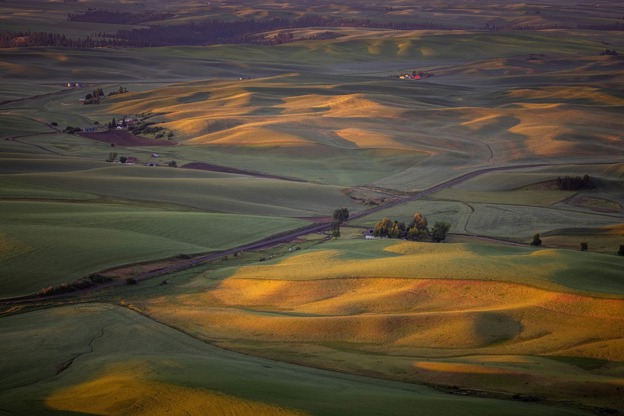
Palouse, Washington instead of Tuscany
Rolling green and gold hills stretch across eastern Washington, mirroring the same dramatic landscapes travelers seek out in the Tuscan countryside, minus the crowds of tour groups and the high price tag on wine country stays.
Ouray, Colorado instead of the Swiss Alps
Tucked into the San Juan Mountains, Ouray offers snow-capped peaks, hot springs, and alpine scenery that echoes the Swiss Alps, all with a much smaller, laid-back town at its base instead of packed resort villages.
Thousand Islands, New York instead of Croatia's Islands
This stretch of the St. Lawrence River is dotted with small islands, historic castles, and clear blue waters, delivering the same island-hopping appeal as Croatia's coastline, without the long flight or the tourist crush of peak season.
A quick side-by-side of what each one offers:
|
Dupe Destination |
Famous Counterpart |
What Makes It Comparable |
|
Palouse, Washington |
Tuscany, Italy |
Rolling countryside, farmland views |
|
Ouray, Colorado |
Swiss Alps |
Snow-capped peaks, alpine hot springs |
|
Thousand Islands, New York |
Croatia's Islands |
Small islands, castles, island hopping |
Each of these destinations shares the same appeal as the others on this list: comparable scenery and culture, a fraction of the crowds, and a far more affordable price for travelers willing to explore somewhere a little less obvious.
Why Off Season Is the Perfect Time for a Dupe Trip
Even the quietest dupe destination gets a little busier during peak summer months. Traveling during the off-season, or the shoulder season just before or after the busiest months, is one of the easiest ways to enjoy these hidden gems at their best.
A few reasons off-season travel pairs so well with dupe destinations:
-
Even fewer tourists: Places that are already lightly visited become nearly empty outside of peak months, giving travelers more room to explore at their own pace.
-
Lower prices across the board: Campgrounds, local restaurants, and activities often drop their rates once the busiest crowds move on.
-
More availability: Popular campsites and RV parks that fill up fast in summer are far easier to book during the shoulder season.
-
A different kind of scenery: Fall colors, spring wildflowers, or quiet winter landscapes can make a familiar destination feel brand new.
This is where RV travel has a clear advantage. Since there's no need to lock in a hotel reservation months in advance, travelers can adjust their plans around the calendar instead of the other way around. A shoulder season trip to the Cabot Trail with fall foliage, or a quiet spring visit to Mesa Verde before the summer crowds arrive, can completely change the feel of a trip without changing the destination itself.
For travelers chasing that slower, more laid-back pace that makes dupe destinations so appealing in the first place, timing the trip around the off-season is often just as important as choosing the right place to go.
How to Avoid Overtourism on Your Next Bucket List Trip

Choosing a dupe destination is about more than just avoiding crowds for your own comfort. It's also a way to travel a little more thoughtfully. Overtourism has become a real strain on many of the world's most famous destinations, and rethinking a bucket list trip can make a genuine difference, both for travelers and for the places they visit.
A few ways to avoid overtourism on your next trip:
-
Choose a dupe destination over the original: Spreading visitors across more places eases pressure on the handful of spots that get all the attention.
-
Support local economies directly: Small towns near dupe destinations often depend more heavily on tourism dollars from local restaurants, guides, and shops than famous hotspots do.
-
Travel during the off-season: Fewer visitors during quieter months means less strain on local infrastructure and a better experience for everyone.
-
Slow down the itinerary: Spending more time in fewer places tends to have a lighter impact than rushing between as many famous stops as possible.
This mindset shift does not mean giving up on bucket list travel altogether. It just means being a little more intentional about which version of a place you're chasing: the crowded, heavily marketed version, or a quieter alternative that offers the same landscapes and culture without adding to the tourist crush.
For RV travelers, this approach fits naturally. Traveling with your own lodging already encourages a slower pace and a lighter footprint, since there's less pressure to stick to tourist zones built around mass tourism. It's an easy way to explore more responsibly without sacrificing any of the adventure.
Ready to Find Your Perfect Dupe?
From the Cabot Trail to Mesa Verde, some of the best travel experiences in the world are hiding in plain sight, right here in the US and Canada. These destination dupes offer the same dramatic landscapes, rich history, and local culture as their famous counterparts, just without the tourist crush, the inflated prices, or the passport stamps.
An RV makes exploring these hidden gems easier than ever:
-
No need to book flights or navigate airports to reach off-the-beaten-path locations
-
Self-contained lodging means no scrambling for hotels in towns without much tourist infrastructure
-
Full flexibility to travel during the off-season, when these spots are even quieter
-
The freedom to turn the drive itself into part of the adventure
Whether it's a coastal cliff drive, an ancient cliffside dwelling, or a quiet stretch of turquoise water, the perfect dupe destination is often closer than travelers think, and a lot easier to reach than the crowded original.
Ready to find your own dupe destination and skip the crowds this time? Book a Cruise America RV and discover a bucket list-worthy trip without the bucket list crowds.